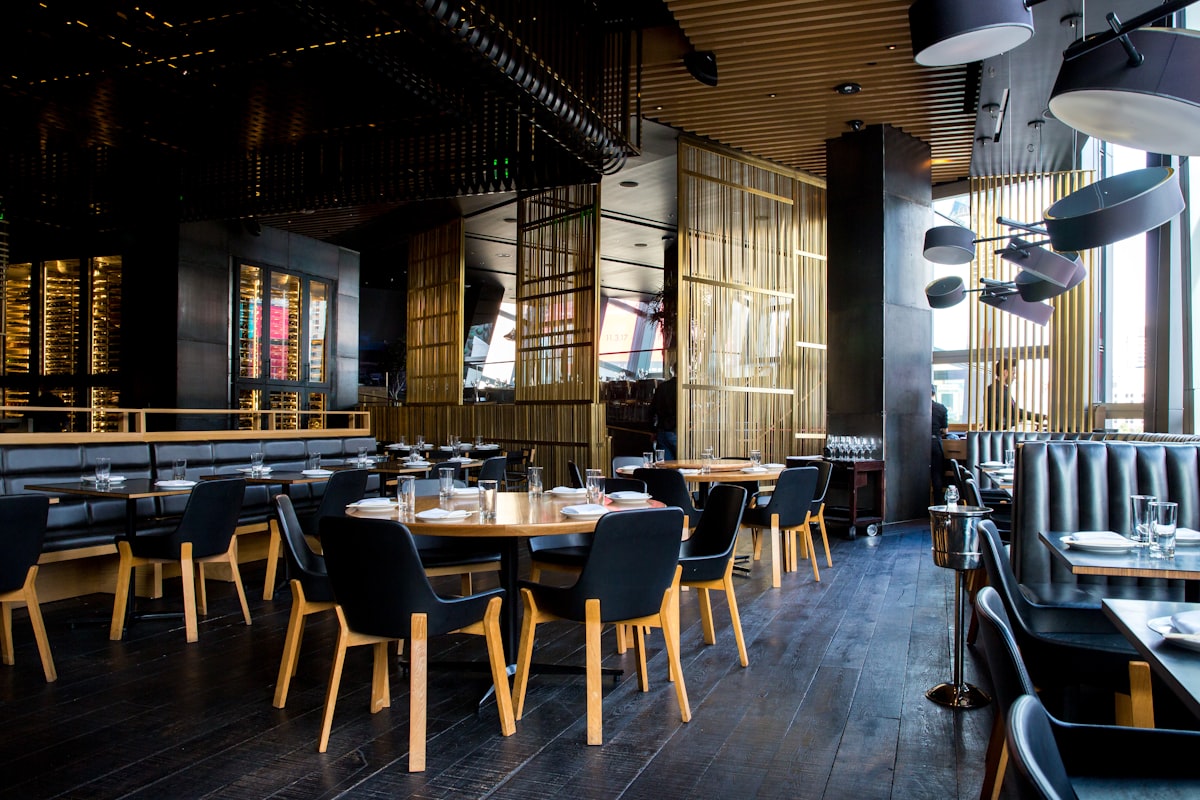
To start a restaurant business in Dubai, you choose the concept and location, get a mainland trade licence with the right food activity from the Department of Economy and Tourism (DET), register the lease through Ejari, and then move through a fixed sequence of approvals: Dubai Municipality approval of the kitchen layout before fit-out, Civil Defence fire safety approval, and a Dubai Municipality inspection before the food establishment can open. Staff who handle food need the required health and food safety certificates. For a straightforward concept, the licensing itself can be quick once you have suitable premises, but fit-out and approvals usually make the whole project take a few months.
This guide covers the main restaurant formats, licensing, the approval sequence, staff requirements, costs, cloud kitchens and the mistakes that delay openings. It is based on published DET, Dubai Municipality and Civil Defence procedures, checked as of October 2026. Requirements depend on the concept and location, so confirm them with each authority, ideally before you sign a lease.
Restaurant Business in Dubai: Formats to Choose From
| Format | What it involves | Main cost driver |
|---|---|---|
| Full-service restaurant | Dine-in kitchen and seating, often with delivery | Rent and fit-out |
| Cafe or cafeteria | Smaller menu, lighter kitchen, faster service | Location and footfall |
| Cloud kitchen | Delivery-only kitchen without a dining area | Delivery platform commissions and marketing |
| Food truck or kiosk | Mobile or small-footprint outlet with specific permits | Permits and event or location fees |
| Franchise | An established brand under a franchise agreement | Franchise fees and brand standards |
Choose the format before the licence, because the licence activity, layout approval and staffing all depend on it.
Mainland or Free Zone?
Restaurants that serve the public in Dubai are usually licensed on the mainland by the DET, because they need to trade directly with customers and operate from a street, mall or community location. Some free zones have food outlets for their own business communities, but a free zone licence is generally not the route for a public-facing restaurant. Our guide to free zone vs mainland explains the difference.
How to Open a Restaurant in Dubai, Step by Step
- Define the concept and menu, including seating, kitchen equipment and whether you will deliver.
- Choose the legal form and reserve the trade name, following the company name rules.
- Get initial approval from the DET with the correct activity, such as restaurant or cafe.
- Secure premises zoned for food use and register the lease through Ejari. Check that the unit has the right ventilation, drainage and grease trap provisions before signing.
- Submit the kitchen layout to Dubai Municipality for approval before fit-out, showing preparation, storage, washing and waste areas.
- Get Civil Defence approval for fire safety systems such as extinguishers, suppression systems over cooking areas, alarms and exits.
- Complete the fit-out exactly to the approved drawings.
- Pass the Dubai Municipality inspection and obtain the food establishment approval.
- Issue the final licence, then apply for signage and any other permits, such as outdoor seating.
The order matters. Building before the layout is approved is one of the most expensive mistakes, because changes after fit-out mean rework.
Choosing the Right Location
Location decides most of a restaurant's economics. Malls and busy streets bring footfall but charge high rents and sometimes a share of turnover, while community locations and business districts can offer steadier regulars at lower cost. Before committing, check:
- Permitted use. The unit must be approved for food use, with ventilation, drainage and grease trap provisions.
- Utilities and capacity. Kitchen equipment needs adequate power, gas or electric supply and extraction.
- Parking, access and delivery. Delivery riders need easy access, and dine-in guests need parking or public transport.
- Lease terms. Rent-free periods for fit-out, renewal terms and any turnover rent.
Ask the landlord for the unit's previous use and any existing approvals. A former restaurant unit can save time and fit-out cost, provided the layout suits your concept.
Staff Requirements
- Health certificates for food handlers, issued after a medical check, before they start work.
- Food safety training to the level Dubai Municipality requires, including a trained person in charge of food safety for the establishment.
- Employment visas and contracts for all staff. Our guide to hiring your first employee in Dubai covers visas, contracts and gratuity.
Having certified staff ready by the inspection date avoids one of the most common causes of delay.
What It Costs to Open a Restaurant in Dubai
| Cost | Notes |
|---|---|
| Trade licence and approvals | Varies with activity and authority fees |
| Rent and deposit | Usually the largest recurring cost, especially in malls and prime streets |
| Fit-out and kitchen equipment | Often the largest upfront cost |
| Visas and staff | Visa costs, salaries, health certificates and training |
| Working capital | Several months of running costs before the business breaks even |
| Marketing and delivery platforms | Launch marketing and commissions on delivery orders |
The licence is a small part of the total. Fit-out, rent and working capital decide whether the budget works. Our first-year company cost breakdown covers licence and visa costs, and our cost calculator gives a quick estimate.
Cloud Kitchens: A Lower-Cost Route
A delivery-only kitchen avoids the cost of a dining room and a prime retail location. It still needs a licence, an approved kitchen and food safety compliance, but the premises can be in a lower-rent area or a shared kitchen facility. The trade-off is reliance on delivery platforms, whose commissions take a significant share of each order, and the need to spend on online marketing. Many operators test a concept in a cloud kitchen before committing to a dine-in site.
Opening a Franchise Restaurant
Franchising an established brand reduces concept risk, and franchisors often provide layouts, suppliers and training that speed up approvals. In return you pay franchise and royalty fees and must meet brand standards. The licensing process is the same as for an independent restaurant, but you will also need the franchise agreement, and the trade name and branding must follow both the franchisor's rules and the UAE naming rules. Review the agreement carefully, especially territory rights, fees, renewal and what happens if you exit early.
VAT, Accounts and Ongoing Compliance
Most restaurants pass the AED 375,000 VAT registration threshold quickly, so plan for VAT registration, VAT-inclusive menu pricing and regular returns. From 2027, business invoices will also need to meet the UAE e-invoicing rules. Keep food safety records, renew the licence and approvals on time, and plan for periodic inspections. Our guide to accounting and bookkeeping costs covers VAT and payroll support.
A Realistic Opening Timeline
For a typical dine-in restaurant, plan the project in phases rather than around the licence alone: a few weeks to find and secure premises, a short period for the licence and initial approvals, several weeks for layout approval and Civil Defence review, then fit-out, which often takes the longest, followed by inspections and staff onboarding. Delays in any one stage push back the opening date, so build a buffer into your rent-free period and your working capital, and do not book launch marketing until the final inspection date is confirmed. Running approvals and staff recruitment in parallel, rather than one after the other, is the simplest way to save time.
Common Mistakes When Opening a Restaurant
- Signing a lease before checking the unit is suitable for a kitchen.
- Starting fit-out before the kitchen layout is approved.
- Underestimating the time needed for approvals and inspections.
- Not having certified staff ready for the inspection.
- Running out of working capital before the restaurant becomes profitable.
Key Takeaways
- Public-facing restaurants are usually licensed on the mainland by the DET.
- The approval sequence is licence, Ejari lease, layout approval, Civil Defence, fit-out, then inspection.
- Food handlers need health certificates and food safety training before you open.
- Rent, fit-out and working capital matter far more than the licence fee.
- Cloud kitchens are a lower-cost way to test a concept.
Open Your Restaurant With SMS Consulting
SMS Consulting, operating under ISO 9001:2015-certified processes across offices in Dubai, London, Delhi and Dhaka, handles restaurant licensing, approvals coordination, visas and VAT registration. See our company formation services or talk to us.
Planning a Restaurant or Cafe?
Tell us your concept and preferred area. We'll map the licence, approvals and timeline before you sign a lease.
Frequently Asked Questions
Usually a mainland trade licence from the Department of Economy and Tourism with the correct food activity, such as restaurant or cafe, followed by Dubai Municipality and Civil Defence approvals.
The licence itself can be quick once you have premises, but layout approval, fit-out, Civil Defence approval and the final inspection usually make the whole project take a few months.
Public-facing restaurants are generally licensed on the mainland. Free zone licences are usually not the route for a restaurant serving the general public.
Approval of the kitchen layout before fit-out, and a food establishment approval after inspection. Staff also need health certificates and food safety training.
Usually, because it avoids a dining room and prime location, but it still needs a licence and approved kitchen, and delivery platform commissions reduce margins.
Yes, once taxable supplies exceed AED 375,000 a year, which most restaurants reach quickly. Menu prices must include VAT.